Can I participate in the patient tests?
Like any medical device, a series of evaluations must be carried out on the bionic eye devices before we consider implantation in humans. We will only start the first tests with patients once pilot studies have been completed to confirm the safety and efficacy of the devices.
The first patients tests will be with retinitis pigmentosa patients and will focus on the Wide-View device. We expect to begin first patient tests in 2013.
The first patients involved in these tests will need to be closely monitored. Regular clinical assessments of the implant will be performed for many years and regular training sessions will be required to help patients adapt to using the device. Due to the numerous hospital visits required, we will need people who live close to Melbourne, Australia for the pilot studies. We will be looking for people who have the time and patience to devote to this important research.
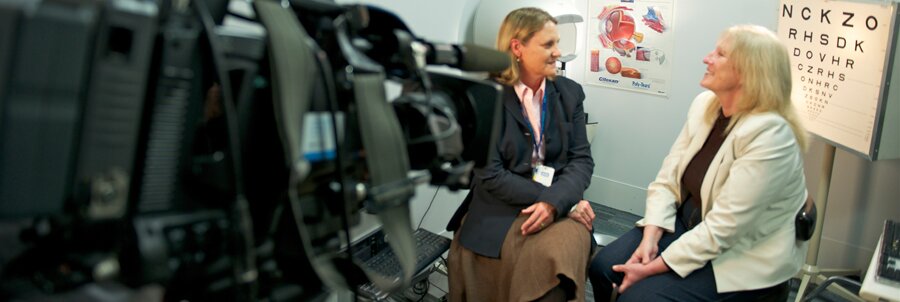
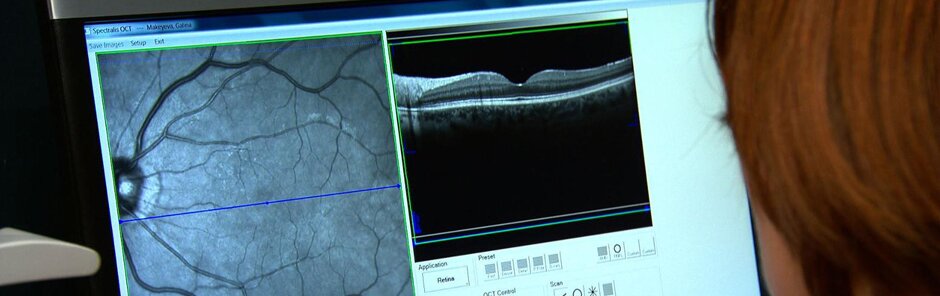
Although we are not yet recruiting for the first patient tests, our clinical team is interested in learning more about retinitis pigmentosa from people who are living with the condition. Our clinicians are undertaking evaluations of people with very advanced vision loss due to retinal disease to learn more about the health of the residual retinal tissue and to help determine which patients would be suitable participants for the first tests of the device.
If you have retinitis pigmentosa or a similar retinal disease and would like to register your interest in our study, please contact our clinical research team.
If you are unsure of the cause of your low vision, please speak to your ophthalmologist, doctor or optometrist.
The devices under development will not be suitable for everyone experiencing a form of vision impairment. Our bionic eye technology relies on the patient having a functional optic nerve and a developed visual cortex - patients need to have been able to see in the past for these devices to be of benefit to them. As such, the first tests of the Wide-View device will involve patients with retinitis pigmentosa. When we are ready to commence patient tests with the high-acuity device, we will be looking for patients with age-related macular degeneration.
Support agencies for blindness and low vision
The bionic vision technology we are developing is not the only option for people with vision impairment. Many Australian organisations can assist with visual aids, occupational therapy, counselling and orientation and mobility training for people with low vision.
Vision Australia is a leading provider of support services for blindness and low vision and now incorporates the Seeing Eye Dogs of Australia. View a comprehensive list of other support organisations for blindness and low vision at the Vision Australia website.
Guide Dogs Australia is another leading provider of orientation and mobility services, as well as being responsible for the training and assignment of guide dogs. Visit the Guide Dogs Australia website.
Retina Australia provides information and support opportunities to people and families affected by retinitis pigmentosa and other retinal dystrophies. Visit the Retina Australia website.